Dig the Lines That Keep Systems Running
Utility Trenching in Kingsley for properties that need water lines, drainage pipes, or electrical conduit installed below grade with correct depth and placement
AA Land Services, LLC handles utility trenching throughout Kingsley and the broader Northeastern Pennsylvania area, serving homeowners, contractors, and rural landowners who need underground pathways cut for water supply, septic drainage, or electrical service. You may be adding a new well line to a barn, connecting a home to a municipal water system, or installing drainage to redirect groundwater away from a foundation, and the trench must be dug to exact depth and width without damaging existing utilities or landscape features.
This service involves marking the trench route based on your plan or utility layout, digging to the specified depth using a backhoe or mini excavator, and maintaining clean edges and stable sidewalls so pipe or conduit can be laid without shifting. The crew adjusts trench width and slope based on what you are installing, whether rigid PVC, flexible poly pipe, or conduit, and coordinates with plumbers or electricians when timing must align with their schedule.
If you need trenching for a utility installation or drainage project in Kingsley, contact AA Land Services to review your layout and project specifications.
What Happens During and After the Trench Is Cut
You begin by marking the route with flags or paint, and if other utilities are nearby, the crew verifies their location through PA One Call before digging begins. The excavator cuts the trench in sections, removing spoil and placing it alongside the trench so it can be used for backfill after the pipe or conduit is installed and inspected.
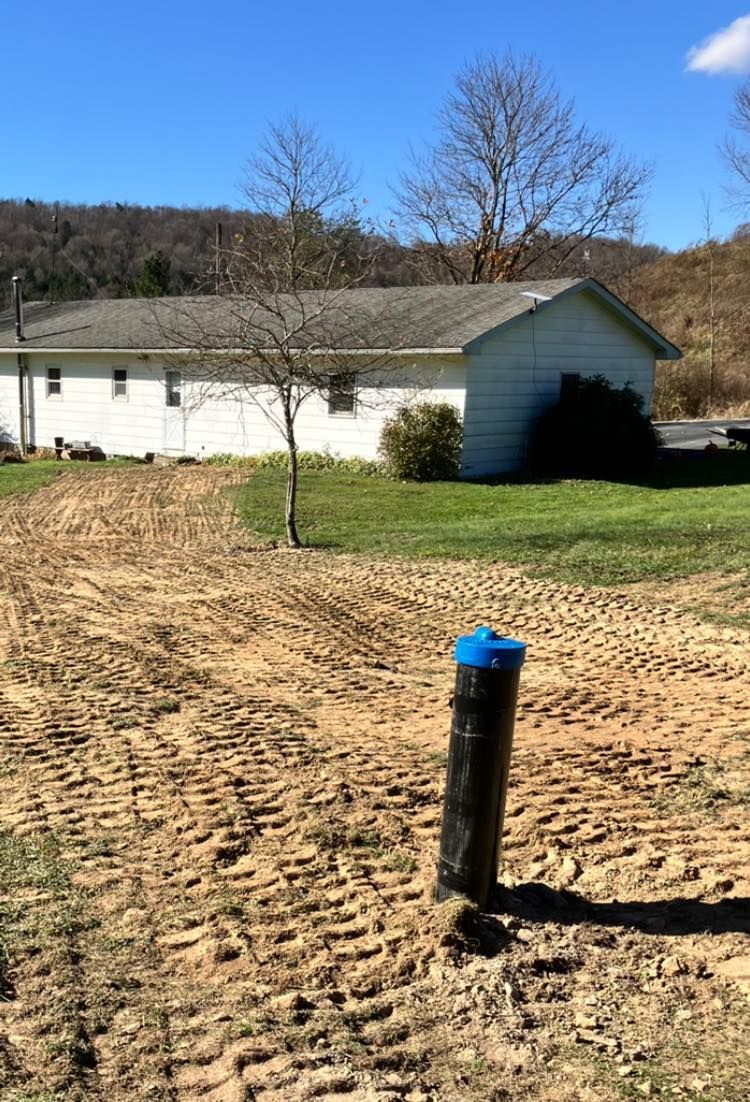
Once the trench is complete, you will see a clean, straight cut with consistent depth and width, ready for your contractor to lay pipe or cable without obstruction. AA Land Services, LLC works with your installer to ensure the trench remains open only as long as necessary, reducing the risk of cave-ins or water accumulation during wet weather.
The service includes digging and spoil management but does not include pipe installation, backfilling, or final grading unless arranged in advance. If your project involves multiple utility runs or phased construction, the crew can coordinate trenching to match your installation timeline and avoid repeated mobilization.
Common Questions About Trenching for Utilities
Trenching must meet specific depth and placement standards to protect the utility and comply with local codes, so understanding the process helps you plan your project correctly.
What depth is required for water lines in Kingsley?
Water lines are typically buried below the frost line, which in Northeastern Pennsylvania ranges from 36 to 48 inches depending on soil type and exposure, to prevent freezing during winter.
How wide does a trench need to be for drainage pipe?
A standard trench for four-inch perforated drain pipe is eight to twelve inches wide, providing enough room for the pipe and a layer of gravel on each side to promote water flow and prevent clogging.
Why is it important to call before you dig?
PA One Call locates underground utilities such as gas, electric, and fiber optic lines before trenching begins, preventing service interruptions, safety hazards, and costly repairs if an existing line is struck.
When should trenching be done relative to other site work?
Trenching is usually completed after rough grading is finished but before final landscaping or paving, so the trench does not interfere with drainage patterns or create low spots that collect water.
How do you minimize disruption to lawns and landscaping?
The crew uses the smallest excavator suitable for the trench depth, follows the shortest practical route, and stages spoil carefully to limit compaction and surface disturbance outside the trench corridor.
If you are installing utilities or drainage and need precise trenching that meets project specs and local codes, AA Land Services, LLC can handle the excavation and coordinate with your contractor to keep the work on schedule. Reach out to discuss your layout and receive a trenching estimate.